
Pink Eye or Allergies? How to Tell the Difference

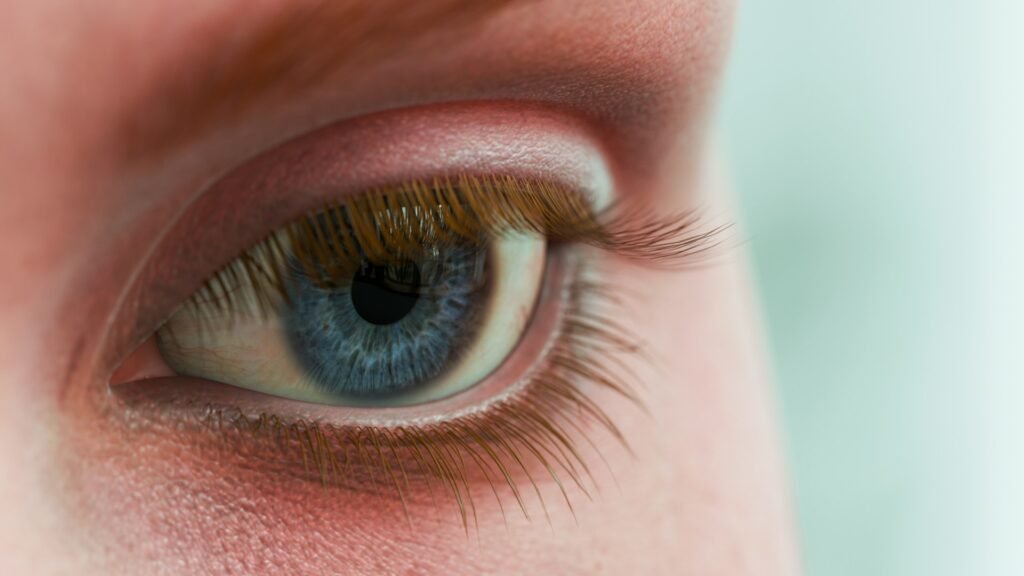
Itching in both eyes with watery discharge is usually allergies. Thick discharge that glues your lids shut is usually bacterial. Watery discharge that starts in one eye, spreads to the other and arrives with a cold is usually viral. The question isn’t pink eye or allergies, because pink eye is three different conditions.
Quick Takeaways
- Intense itching in both eyes points to allergy. It’s the single most useful clue.
- Thick pus that sticks the lids together in the morning points to bacterial.
- Watery, one eye first, alongside a cold, points to viral. Antibiotics won’t touch it.
- Allergic conjunctivitis isn’t contagious. Viral and bacterial are, very.
- Contact lens wearer with a red eye: take the lenses out and get seen. That one’s different.
What’s actually the difference?
The American Optometric Association describes three main types of conjunctivitis: allergic, infectious and chemical. “Pink eye” in everyday speech covers the infectious ones, and those split again into viral and bacterial. So you’re not choosing between two possibilities. You’re choosing between at least three.
They look similar from across a room and they’re managed completely differently. One needs an antihistamine, one needs antibiotics, and one needs nothing but time and clean hands.
Allergic
- Both eyes, usually
- Intense itching
- Clear, watery discharge
- Swollen, teary lids
- Sneezing or a runny nose too
- Not contagious
Viral
- Starts in one eye, spreads
- Watery, not thick
- Gritty, like sand in the eye
- Often with a cold or sore throat
- Light sensitivity
- Very contagious
Bacterial
- Thick yellow or green pus
- Lids stuck shut on waking
- Sometimes with an ear infection
- Usually little pain
- Very contagious
| Allergic | Viral | Bacterial | |
|---|---|---|---|
| Itching | Intense, the main complaint | Some, but gritty more than itchy | Mild |
| Discharge | Clear and watery | Watery, not thick | Thick pus, yellow or green |
| One eye or both | Usually both at once | One, then the other within days | Either |
| Comes with | Sneezing, runny nose, a season | A cold, flu or sore throat | Sometimes an ear infection |
| Contagious | No | Yes, very | Yes, very |
| Antibiotics help | No | No | Sometimes |
| Typical course | As long as the trigger is there | 7 to 14 days | Mild cases 2 to 5 days |
Those symptom splits come from the CDC’s symptom guidance, and the timings from its treatment page.
Is itching a reliable way to tell?
It’s the best single clue you have, and it isn’t absolute. The CDC lists intense itching among allergic symptoms. The AOA is more careful, describing allergic conjunctivitis as clear watery discharge with mild redness where “itching, sometimes severe, may or may not occur.”

So treat itching as strong evidence rather than proof. If both eyes itch, you’re sneezing, and it’s the same week every year, allergy is a safe bet.
What shifts the odds further: allergic conjunctivitis tends to arrive with the season or the cat, affects both eyes together, and doesn’t spread to anyone else in the house. Infectious pink eye tends to arrive after someone else had it.
Do I need antibiotics for pink eye?
Usually not. The CDC is direct that “antibiotics will NOT improve viral pink eye”, and most cases of viral pink eye “clear up in 7 to 14 days without treatment and without any long-term consequences.” Even mild bacterial cases often resolve in two to five days on their own.
The AOA puts the same point in clinical terms: no drops or ointments treat viral conjunctivitis, and antibiotics will not cure a viral infection.
Where antibiotics do earn their place is bacterial conjunctivitis with real pus, or where the immune system is compromised. That’s a call made after someone looks at the eye, not from a symptom list on a phone.
For allergic conjunctivitis, the first move isn’t a drop at all. The AOA’s advice is to remove or avoid the trigger where you can, with cool compresses and artificial tears for comfort. Antihistamines come after that, not instead of it.
What if I wear contact lenses?
Take them out, and get the eye looked at rather than waiting it out. The AOA notes that bacterial infections “can be more severe in patients that wear contact lenses,” with a risk of corneal ulcers, and that wearers may need to stop wearing lenses while the condition is active.
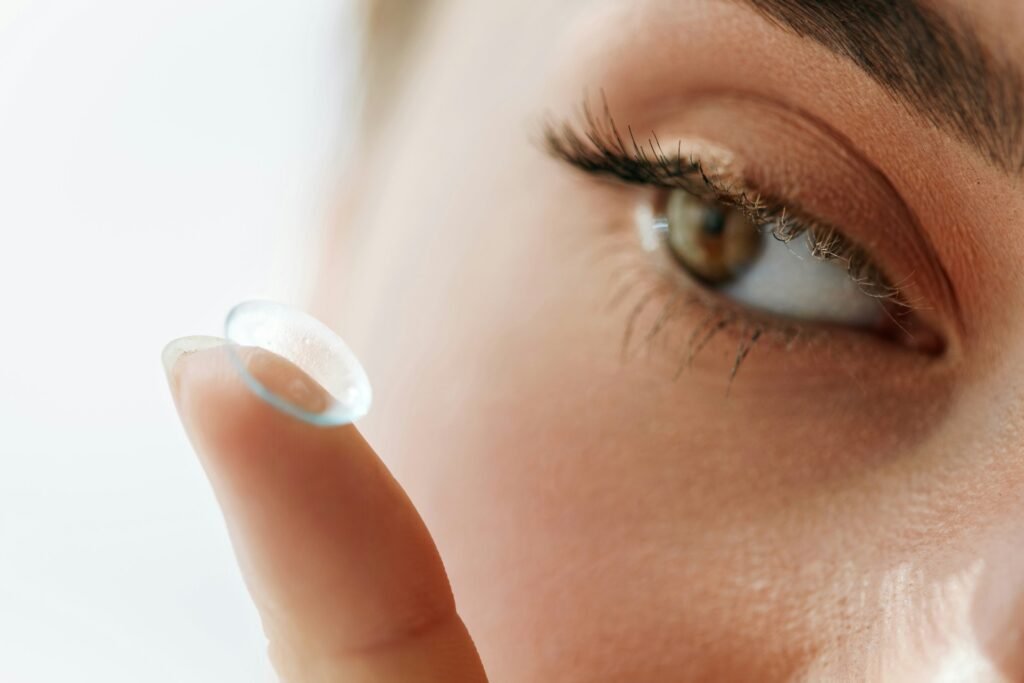
This is the part that changes the advice most, and it’s the part a general symptom checker won’t weight properly. A red eye in a lens wearer is a different problem from a red eye in someone who doesn’t wear them, because a lens sitting on an already-inflamed cornea is how a manageable infection becomes a scarring one.
Don’t put the lenses back in until you’ve been told it’s safe, and replace the pair and the case rather than reusing them.
When should you see someone about it?
The CDC names four signs that mean see a healthcare provider: eye pain, light sensitivity, blurred vision, or intense redness. Any one of those moves this out of wait-and-see territory, whatever you think the cause is.
- Eye pain. Conjunctivitis is usually irritating rather than painful. Real pain suggests something deeper than the surface.
- Light sensitivity. Especially if it’s marked. The cornea may be involved.
- Blurred vision. Discharge can smear vision temporarily, but blur that doesn’t clear when you blink is a different signal.
- Intense redness. Not pinkness. Deep, angry red.
- You wear contact lenses, or symptoms are getting worse rather than better after a few days.
Add one more from us: a newborn with a red eye should be seen the same day, not managed at home.
Getting a red eye looked at in Jersey City
Vista Vision is open seven days a week at 100 14th Street, inside Target, which matters for this because red eyes rarely start on a Tuesday morning. Tell us when you book whether you wear contact lenses. It changes how quickly we want to see you.
Most of what we do with a red eye is work out which of the three it is, because that decides everything else. If it’s a stye rather than conjunctivitis, that’s a different problem with a different fix.
Common questions about pink eye and allergies
Can you have pink eye and allergies at the same time?
Yes, and it’s more common than you’d think during allergy season. Rubbing itchy allergic eyes with unwashed hands is an efficient way to introduce an infection. If allergy symptoms you know well suddenly change character, particularly if the discharge thickens, that’s worth a look.
How long is pink eye contagious?
Viral and bacterial conjunctivitis are both very contagious according to the CDC, and viral cases typically run 7 to 14 days. Bacterial cases are generally considered much less contagious once antibiotic treatment has been under way for 24 hours. Allergic conjunctivitis isn’t contagious at any point.
Can I use leftover antibiotic eye drops?
No. They won’t help a viral or allergic cause, which is most cases, and an opened bottle from a previous infection can be contaminated. Putting contaminated drops into an inflamed eye is how a minor problem becomes a serious one.
Red, itchy or weepy eye? Get it checked
Seven days a week at 100 14th Street, inside Target. Most medical and vision plans accepted, including Medicare and Medicaid.
Owner and lead optometrist at Vista Vision in Jersey City, focused on glaucoma and dry eye. View full profile →
This article is general information, not medical advice, and it can’t diagnose you. Eye pain, light sensitivity, blurred vision or intense redness should be seen promptly. If you wear contact lenses, remove them and get the eye examined before putting them back in.