
Jersey City · Open seven days
Diabetes can damage your eyes for years before you notice anything. A yearly dilated exam is how it gets caught. Walk in seven days a week, or book a time.
Why this exam exists
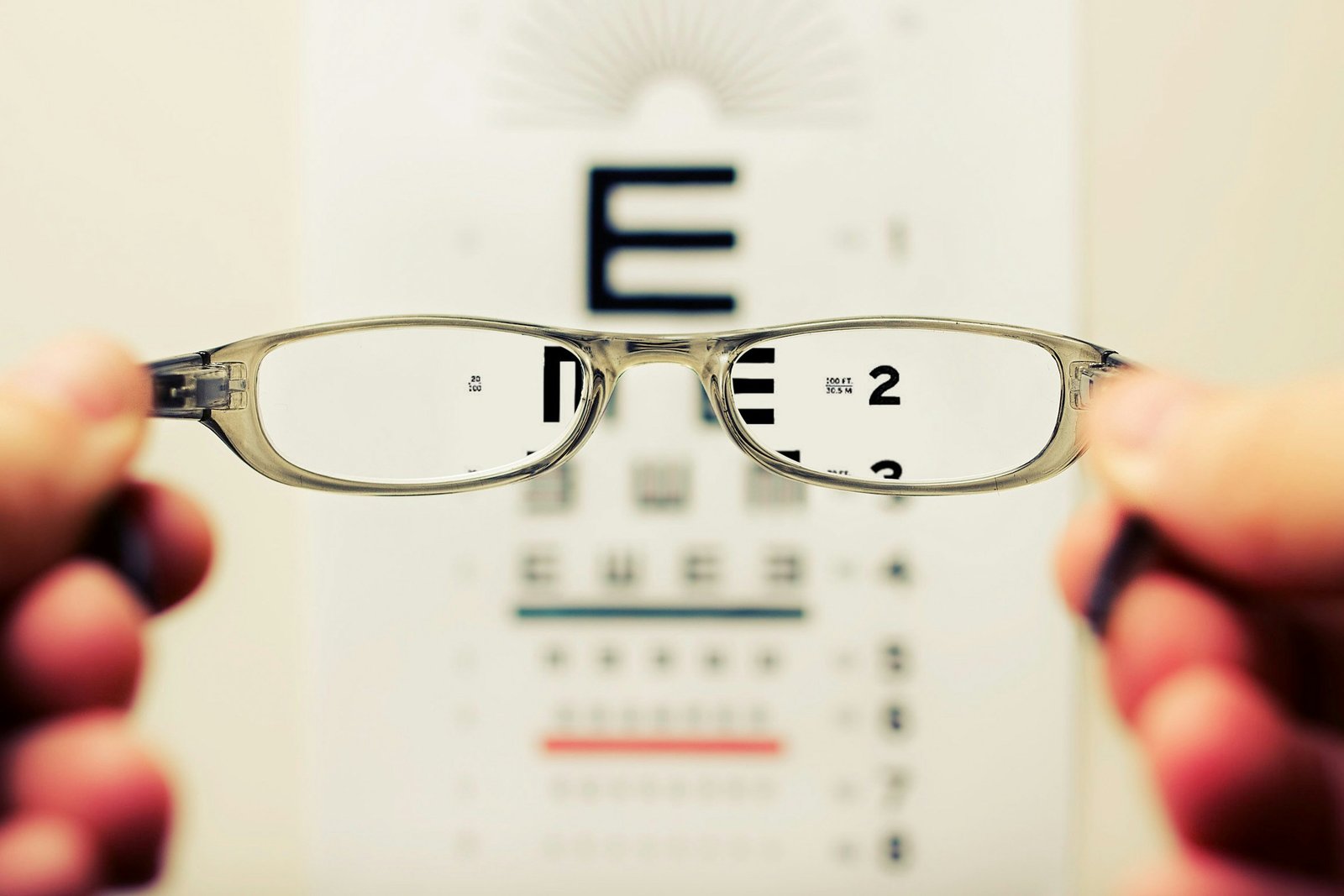
High blood sugar damages the tiny blood vessels at the back of the eye. That damage is called diabetic retinopathy.
It starts silently. The American Diabetes Association puts it plainly: these conditions may not have symptoms, so the exam is how you find out early.
By the time your vision changes, the damage has usually been building for a while.
This is not rare. The CDC estimates that 9.6 million people in the United States were living with diabetic retinopathy in 2021.
The good news is that it is found early far more often than it used to be. That only works if someone looks.
These are the American Diabetes Association’s recommendations. If your vision has changed, do not wait for your next due date.
What happens on the day
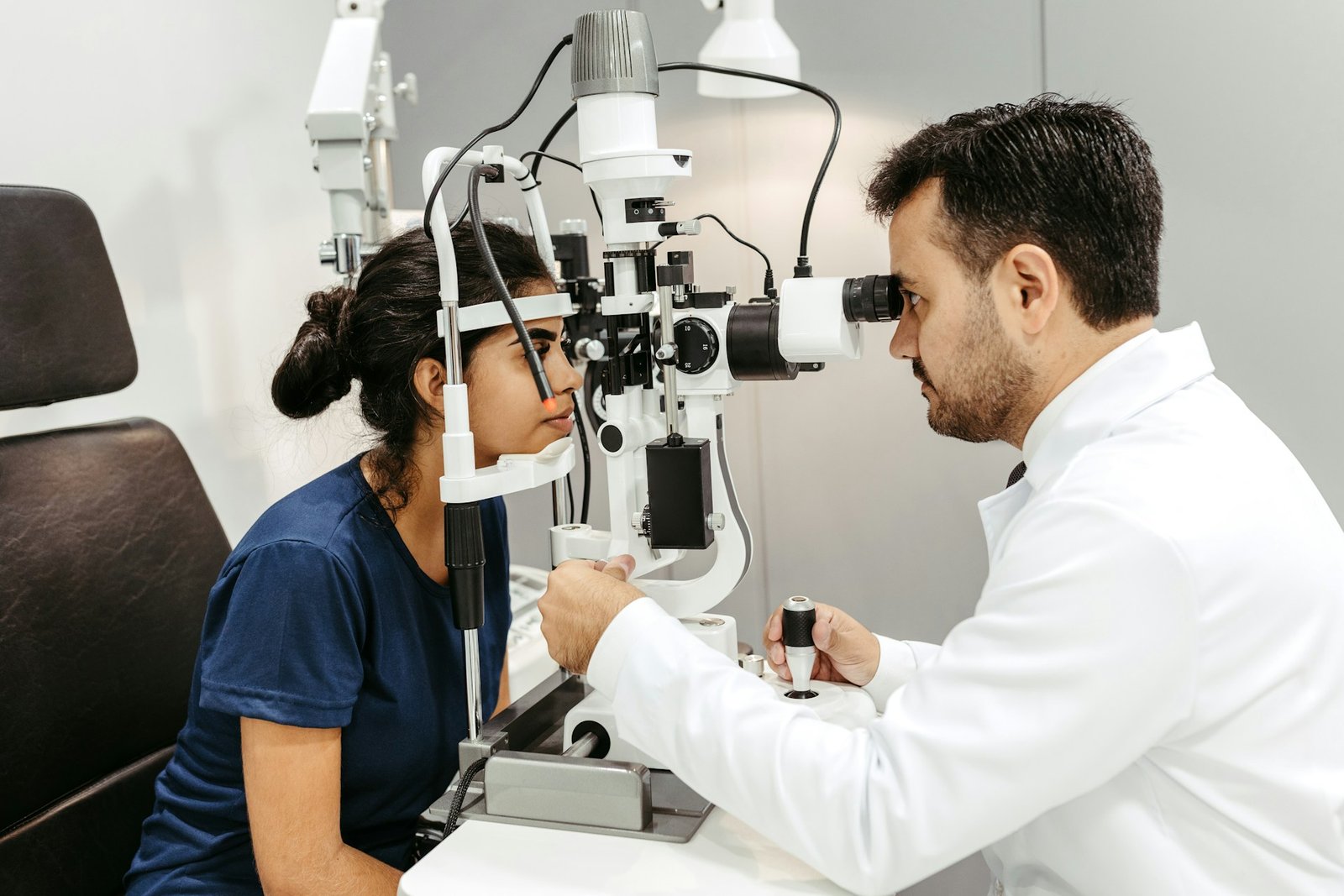
The important part is the dilated look at the back of your eye. Drops widen the pupil so I can see the whole retina, not just the middle of it.
Afterwards your close-up vision will be blurry and lights will look bright. The ADA puts this at about two to four hours. Most people walk or take the PATH. If you drive, bring sunglasses or bring someone with you.
The part people get wrong
Usually yes, and usually by your medical insurance rather than a vision plan. That catches people out.
A routine glasses check is a vision benefit. A diabetic eye exam is a medical appointment. It is looking for disease, so it is billed differently.
Medicare Part B covers one diabetic eye exam a year. After your deductible you pay 20% of the approved amount.
That is Medicare’s own wording, and the only condition is that you have diabetes and see an eye doctor allowed to do the test in your state.
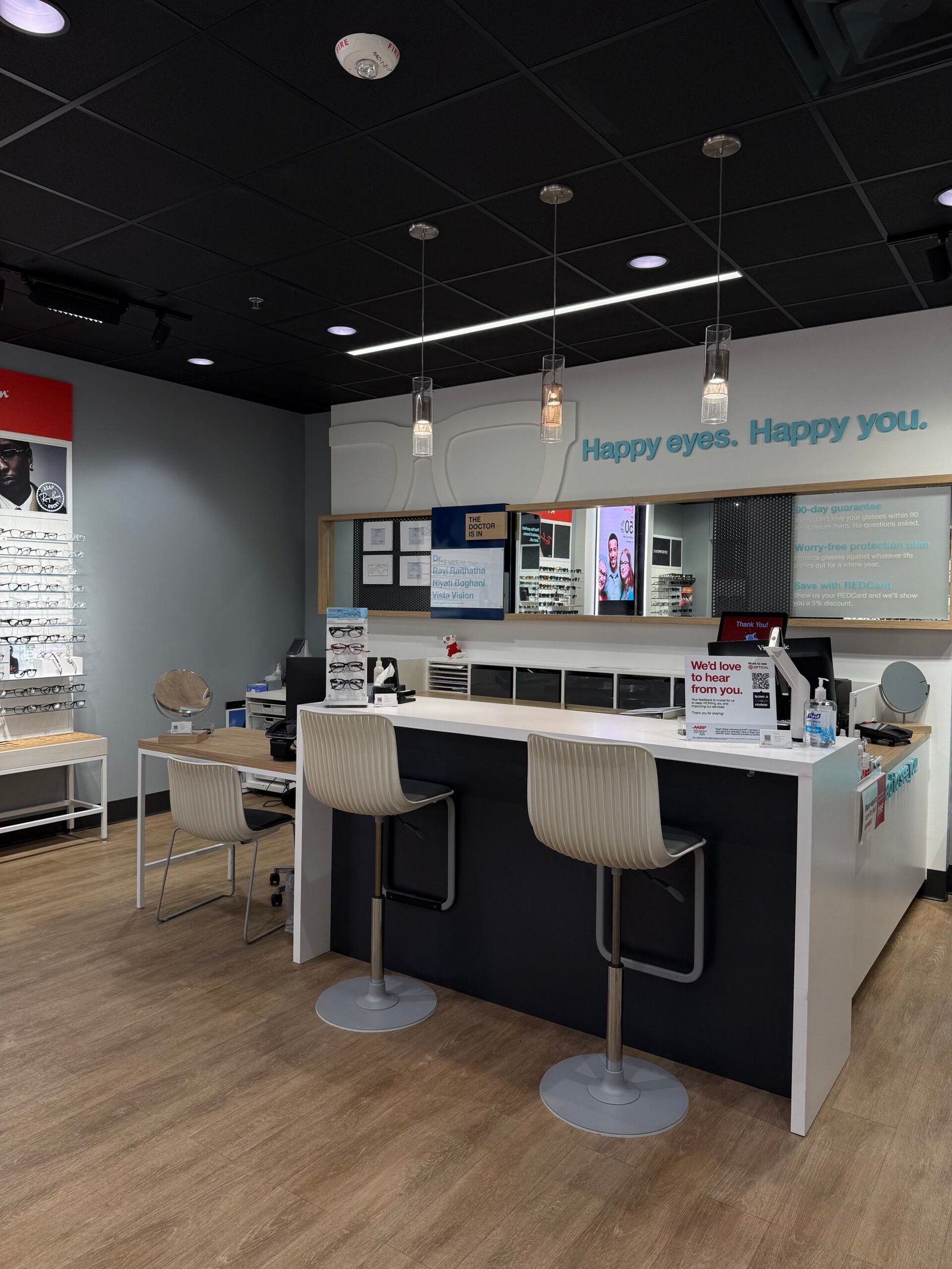
We take Medicare and Medicaid, plus most medical and vision plans. Bring your cards and we will check both before your appointment, so you know where you stand first. You can see the plans we accept, or read more on what Medicare covers for eye exams.
★★★★★“Excellent doctor, Dr. Raithatha. Extremely thorough, helped me with my vision and also helped spot an eye issue that he referred me to another MD to care for.”
Lorena D.Google review
★★★★★“Very professional services. Doctor was very experienced and staff were very accommodating with my appointment.”
Poonam B.Google review
★★★★★“Dr Raithatha helped me out on such short notice and I truly appreciate him as a doctor. Thank you!”
Lisa Marie B.Google review

Your optometrist
Owner and lead optometrist
One visit tells me where your eyes are today. A yearly series tells me whether diabetes is changing them, and that is what I act on.
I see patients seven days a week here in Jersey City. A diabetic eye exam is one of the few appointments where I am mostly looking for something you cannot feel yet.
Bring your most recent A1C if you have it. It tells me how hard to look and how soon I want to see you again. Read the full profile.
The questions we get asked most.
A regular exam is mostly about how well you see. A diabetic eye exam is about the health of the retina, and the dilated look at the back of the eye is the point of it rather than an optional extra. You still get your prescription checked. The difference is what we are looking for, and how it gets billed.
Not usually, but it is often billed to your medical insurance rather than a vision plan. Medicare Part B covers one a year, and after your deductible you pay 20% of the approved amount. Bring both cards and we will check what applies before you are seen.
Most people would rather not. The drops leave your close-up vision blurry and lights looking very bright for about two to four hours, according to the ADA. If you are driving, bring sunglasses, or bring someone with you. Tell us when you arrive and we will work around it.
Yes. Early diabetic retinopathy usually has no symptoms at all, which is the whole reason the yearly exam exists. Good vision tells you the center of your retina is working today. It does not tell you what is happening elsewhere in the eye.
For a diabetic exam, almost always. Without dilation I am looking at the back of your eye through a small opening, and the damage from diabetes often starts out at the edges. Retinal photography can sometimes be used alongside it, but it is not a straight swap in every case.
Your insurance cards, both medical and vision if you have both. Your glasses. A list of your medicines. And your most recent A1C if you know it, because it changes how closely I want to follow you.
I will tell you what I have found and what it means in plain terms. Mild changes are usually monitored more closely rather than treated. Where treatment is needed, that is a retinal specialist’s job, and I will refer you and stay involved in your ongoing care.
100 14th Street
Jersey City, NJ 07310
Inside Target Optical, Newport
Two minutes from Newport PATH, with parking on site. We see patients from Newport, Downtown, Journal Square, the Heights and across Hudson County.
We confirm every request by email. Or just walk in, seven days a week.